Starting a gratitude journal is a simple yet powerful way to enhance your well-being and cultivate a positive mindset. By regularly recording things you are thankful for, you can shift your focus from challenges to the good in your life. If you’re new to journaling or simply want to introduce more gratitude into your routine, this guide will help you get started with ease.
What Is a Gratitude Journal?
A gratitude journal is a personal diary where you write down things, people, or experiences you’re grateful for. The practice encourages reflection on positive aspects of your day or life, helping improve mood, reduce stress, and foster a more optimistic outlook.
Benefits of Keeping a Gratitude Journal
Before diving in, it’s helpful to know why gratitude journaling can be so rewarding:
– Improves Mental Health: Regularly focusing on gratitude can reduce feelings of anxiety and depression.
– Enhances Sleep: Reflecting on positive moments before bed can lead to better rest.
– Boosts Self-Esteem: Recognizing your own and others’ contributions builds confidence and appreciation.
– Strengthens Relationships: Expressing thanks can improve your connection with others.
– Encourages Mindfulness: It helps you stay present and notice the little joys in everyday life.
How to Start Your Gratitude Journal
Starting a gratitude journal doesn’t need to be complicated. Follow these steps to make it part of your daily routine.
1. Choose Your Journal
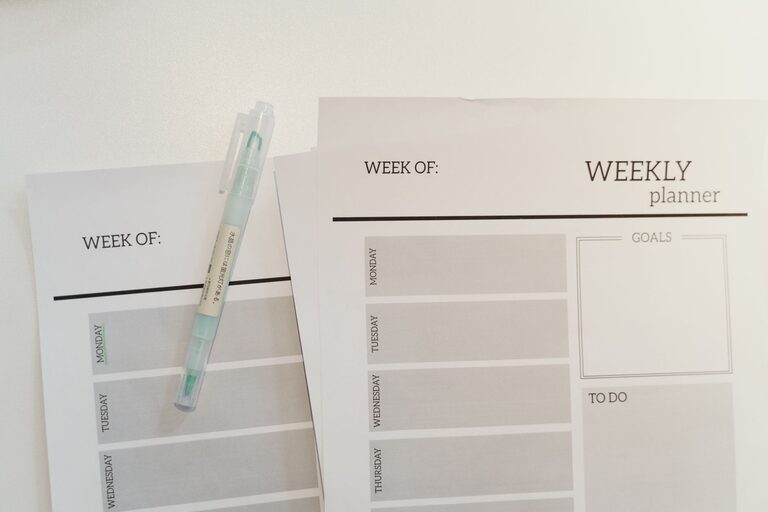
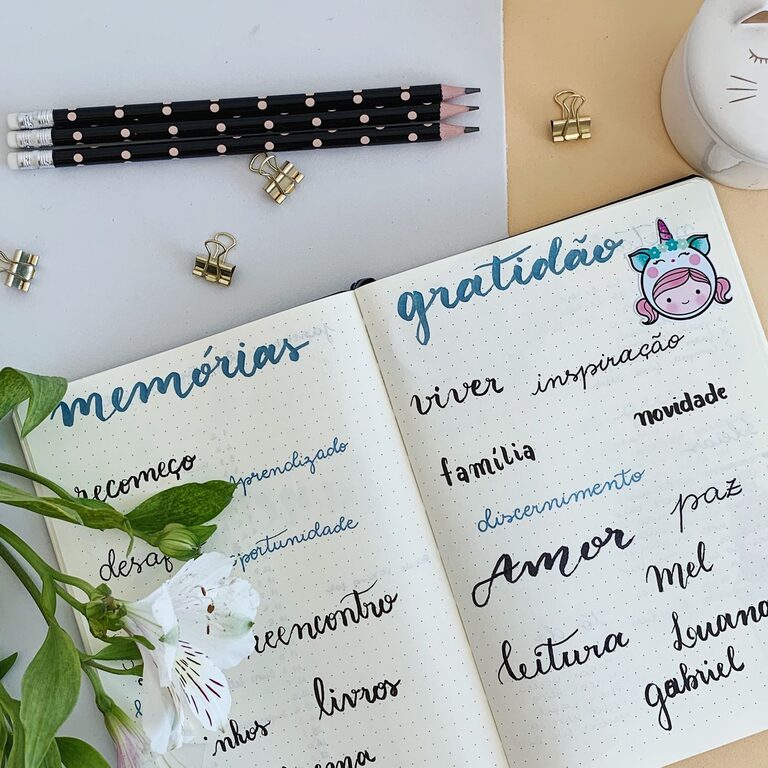
Select a notebook or journal that inspires you. This could be a traditional paper notebook, a planner, or a digital app. Some people prefer the tactile feel of writing by hand, while others like the convenience of typing on a phone or computer.
2. Decide on a Time
Pick a consistent time each day to write in your journal. Many find that morning or bedtime works best because it sets the tone for the day or helps reflect before sleep.
3. Keep It Simple
You don’t need to write pages every day. Even 3–5 items or sentences are enough to make an impact. The key is consistency rather than volume.
4. Focus on Specifics
Instead of general statements like “I’m grateful for my family,” try to be more specific—“I’m grateful for the thoughtful conversation I had with my sister today.” Specificity helps you connect emotionally with your gratitude.
5. Use Prompts if Needed
If you’re unsure what to write, prompts can help spark ideas. Here are some examples:
– What made you smile today?
– Name a person who helped you recently.
– Describe a small pleasure you enjoyed.
– What is something about yourself you appreciate?
– What is a challenge you overcame that you’re thankful for?
6. Reflect on Challenges Too
Gratitude doesn’t mean ignoring difficulties. You can find gratitude in lessons learned or growth experienced through challenges.
Tips for Maintaining Your Gratitude Journal
Keeping a gratitude journal is easier when it fits naturally into your lifestyle. Try these tips to stay motivated:
– Set Reminders: Use phone alarms or calendar notes.
– Make It Enjoyable: Pair journaling with a cup of tea or a comfy spot.
– Share Your Gratitude: Occasionally share insights with friends or family to deepen connections.
– Don’t Stress Perfection: It’s okay if you miss a day or write something short.
– Review Past Entries: Reading earlier entries can boost motivation and happiness.
Examples of Gratitude Journal Entries
Here are a few sample entries to inspire your own writing:
– “Today, I’m thankful for the warm sunshine during my walk and the friendly wave from my neighbor.”
– “I appreciate my coworker who helped me solve a tricky problem at work.”
– “Grateful for the homemade dinner my partner cooked; it made me feel cared for.”
– “Thankful for the patience I had with myself while learning a new skill.”
– “Appreciate the quiet moment with a good book before bedtime.”
Final Thoughts
Starting a gratitude journal is a simple yet transformative habit. It can help you see the good in everyday moments and cultivate a more positive outlook on life. Remember that the goal is progress, not perfection. With just a few minutes each day, you can create a meaningful practice that brightens your days and strengthens your resilience.
Ready to begin? Grab a notebook, set aside a few minutes, and start writing down what you’re grateful for today. Your future self will thank you!
About the Author