
Setting weekly goals is a powerful way to maintain focus, boost productivity, and make consistent progress toward your larger ambitions. However, setting unrealistic goals can lead to frustration and burnout. The key is to set realistic weekly goals that challenge you without overwhelming you. In this post, we’ll explore how to create meaningful, achievable weekly goals that help you build momentum and stay motivated.
Why Set Weekly Goals?
Weekly goals break your bigger plans into manageable parts. Instead of feeling overwhelmed by distant objectives, weekly goals help you focus on what you can realistically accomplish in seven days. They enhance your productivity by providing clear direction and a sense of urgency.
By setting weekly goals, you also create regular checkpoints where you can review your progress, celebrate your wins, and adjust your plans if needed. This flexibility keeps you moving forward without losing sight of your priorities.
Steps to Set Realistic Weekly Goals
1. Reflect on Your Bigger Picture
Before you decide on your weekly goals, think about your overall objectives. What are you working toward in the upcoming months or year? Understanding your big-picture goals will help you choose weekly goals that align with your priorities.
2. Assess Your Current Capacity
Be honest about how much time and energy you have available this week. Consider your work schedule, personal commitments, and any unexpected events that might come up. This awareness helps you avoid overloading your to-do list.
3. Prioritize Your Goals
Focus on a few key goals rather than trying to do everything at once. Choose 2-4 goals that will have the biggest impact on your progress. Prioritizing keeps your efforts focused and manageable.
4. Make Goals Specific and Measurable
A clear goal helps you know exactly what you need to do. Instead of vague goals like “exercise more” or “work on project,” try “jog for 20 minutes three times this week” or “write 1,000 words for the report.”
5. Break Goals Into Actionable Steps
Large goals can feel overwhelming. Breaking them into smaller steps makes them easier to tackle. For example, if your goal is to organize your home office, your steps might include sorting papers on Monday and cleaning shelves on Wednesday.
6. Set Deadlines Within the Week
Assign days or times to complete each step. This helps build accountability and prevents tasks from being postponed indefinitely.
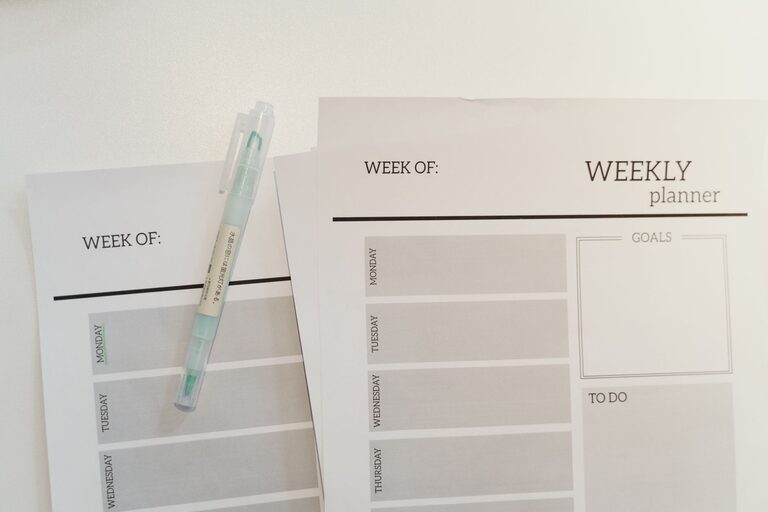
7. Use a Planner or Digital Tool
Record your goals and action steps in a planner, calendar, or digital app. Having a clear plan visible throughout the week can keep you on track.
8. Review and Adjust at Week’s End
At the end of the week, review your goals. Did you meet them? What helped or hindered your progress? Use these insights to improve your goal-setting for the next week.
Tips for Staying on Track
– Stay Flexible: Life happens. If you can’t complete a goal, adjust it or move it to next week without guilt.
– Celebrate Small Wins: Acknowledge your progress, even if it’s partial. This builds motivation.
– Limit Distractions: Identify what tends to distract you and create strategies to minimize those interruptions.
– Set Realistic Expectations: Remember, progress is more important than perfection.
Sample Weekly Goal Plan
| Goal | Action Steps | Deadline |
|———————————|————————————-|—————|
| Complete 3 chapters of a book | Read one chapter on Mon, Wed, Fri | Friday evening|
| Exercise 3 times | Jog 20 mins Tue, Thu, Sat | Saturday noon |
| Declutter workspace | Sort papers Mon, organize shelves Wed | Wednesday pm |
| Write 1,000 words for report | Write 500 words Tue, 500 words Thu | Thursday night|
Common Mistakes to Avoid
– Setting Too Many Goals: Focus on what matters most to avoid burnout.
– Vague Goals: Be specific about what success looks like.
– Ignoring Unfinished Tasks: Reflect on why goals weren’t met instead of ignoring them.
– Not Reviewing Progress: Regular reviews help you stay aware and motivated.
Conclusion
Setting realistic weekly goals is an effective way to build momentum toward your bigger dreams. By reflecting on your priorities, assessing your capacity, and breaking goals into manageable steps, you can make meaningful progress without feeling overwhelmed. Remember to stay flexible and celebrate your achievements along the way. With practice, goal-setting can become a powerful habit that transforms your productivity and satisfaction.
Start planning your week today with these tips, and watch how steady progress brings you closer to your aspirations!
About the Author