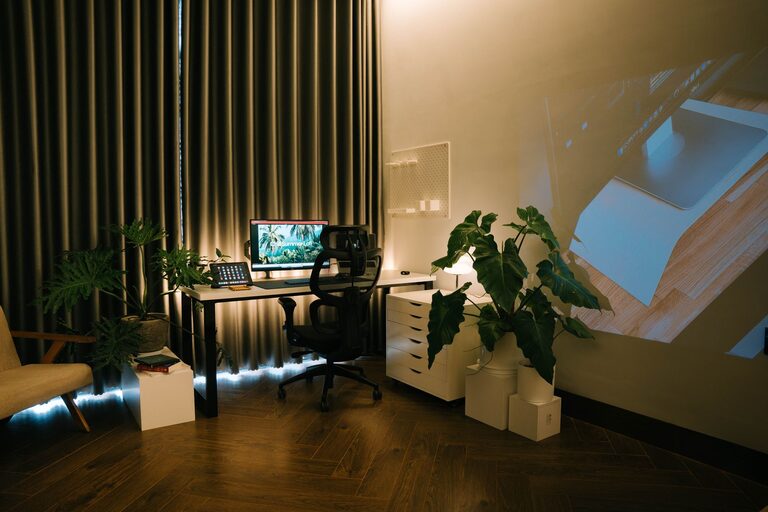
Creating a relaxing home workspace is essential for anyone who spends significant time working from home. A well-designed space not only fosters productivity but also helps reduce stress and maintain a healthy work-life balance. Whether you have a dedicated office room or just a small corner in your living area, making it comfortable and calming can positively impact your focus and motivation.
In this guide, we’ll explore simple yet effective ways to design a relaxing home workspace that suits your needs and style.
Why a Relaxing Workspace Matters
A cluttered or uncomfortable workspace can increase stress levels and make it harder to concentrate. On the other hand, a space that feels inviting and organized helps you stay calm and focused throughout the day. Here are some benefits of creating a relaxing home workspace:
– Improves productivity and work quality
– Reduces feelings of anxiety and burnout
– Encourages better posture and physical comfort
– Enhances creativity and problem-solving
– Supports a clear boundary between work and personal life
Choosing the Right Location
The first step is deciding where to set up your workspace. Consider these factors:
– Natural Light: Choose a spot with plenty of natural light, which boosts mood and energy. Position your desk near a window if possible.
– Quiet Environment: Find a quiet area away from household distractions, such as the kitchen or living room bustle.
– Space Availability: Make sure there is enough room for your essentials—desk, chair, computer, and storage—without feeling cramped.
– Accessibility: Your workspace should be easily accessible but separate enough to help you mentally “clock in” and “clock out.”
Selecting Comfortable and Functional Furniture
Investing in comfortable furniture is key to building a workspace that supports both relaxation and productivity.
– Ergonomic Chair: A chair that offers lumbar support and adjusts to your height can prevent back pain and improve posture.
– Appropriate Desk: Choose a desk at the right height so your arms rest comfortably while typing. Adjustable desks that allow standing are also a great option.
– Footrest: If your feet don’t comfortably reach the floor, consider a footrest to reduce strain.
Declutter and Organize
A cluttered desk can lead to a cluttered mind. Keeping your workspace organized helps maintain focus and reduces stress.
– Minimal Essentials: Keep only what you need daily on your desk, like your computer, notebook, and a few pens.
– Storage Solutions: Use drawers, shelves, or desk organizers to store supplies and paperwork neatly.
– Cable Management: Use clips or cable ties to keep cords tidy and out of the way.
– Regular Cleaning: Make it a habit to clear your workspace at the end of each day.
Use Soothing Colors and Decor
Colors and decor influence your mood and productivity. Consider the following tips:
– Choose Calm Colors: Soft blues, greens, or neutrals create a relaxing atmosphere.
– Add Plants: Incorporate small plants to improve air quality and add a touch of nature.
– Personal Touches: Display a few meaningful items like photos or artwork to make the space feel inviting.
– Avoid Overcrowding: Keep decorations minimal to maintain a peaceful environment.
Control Lighting and Noise
Proper lighting and sound control can significantly enhance comfort.
– Task Lighting: Use adjustable desk lamps to reduce eye strain during focused tasks.
– Ambient Lighting: Soft overhead or floor lamps can create a warm atmosphere.
– Noise Control: Use noise-cancelling headphones or play gentle background music to drown out distracting sounds.
– Window Treatments: Install blinds or curtains to reduce glare and control outside noise.
Incorporate Relaxation Techniques
Integrating small elements that promote relaxation can improve your overall work experience.
– Break Area: If space allows, set up a small corner with a comfortable chair or cushion for short breaks.
– Aromatherapy: Use a diffuser with calming scents like lavender or eucalyptus to create a peaceful ambiance.
– Stretching Space: Leave enough room to stand and stretch periodically to avoid stiffness and boost circulation.
Establish Boundaries and Routine
Finally, creating a relaxing workspace also means setting clear boundaries and routines.
– Designate Work Hours: Stick to specific work times to prevent overworking and burnout.
– Separate Work and Leisure: When your workday ends, leave your workspace to help your mind switch off.
– Daily Tidying: Spend a few minutes each day organizing your area to start fresh the next morning.
—
By following these tips, you can create a home workspace that feels both relaxing and productive. Remember, the goal is to design a space where you can focus comfortably while feeling calm and motivated throughout your workday. Happy decorating!
About the Author