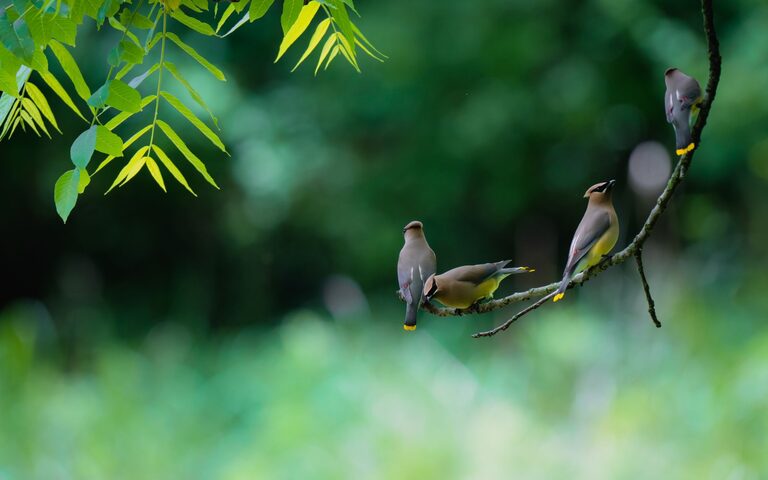
Birdwatching is a rewarding hobby that brings you closer to nature while offering relaxation and enjoyment. If you’re new to backyard birdwatching, you might wonder how to start and what you need to attract and observe birds. This guide covers beginner tips to help you create a bird-friendly space and make the most of your birdwatching experience.
Why Backyard Birdwatching?
Birdwatching in your backyard is convenient and accessible. You don’t need to travel or visit remote locations to enjoy watching birds. It also offers a great way to learn about local wildlife, connect with the outdoors, and share a peaceful activity with family or friends.
Getting Started: Basics for Beginners
1. Observe Your Space
Begin by simply watching what birds naturally visit your yard. Note the types of trees, shrubs, and open spaces you have, as these influence the species you might see. Even a small balcony or patio can be a good starting point.
2. Use Binoculars and a Field Guide
A pair of affordable binoculars helps you see birds clearly without disturbing them. Alongside binoculars, a bird field guide or a bird identification app can help you learn the names and features of the species you encounter.
Creating a Bird-Friendly Backyard
3. Provide Food Sources
Birds need food to visit regularly. A bird feeder is a simple way to attract different species. Here are some common types of feeders and food:
– Seed feeders: Filled with black oil sunflower seeds, mixed seeds, or nyjer (thistle) seed.
– Suet feeders: Offer high-energy suet cakes, especially in colder months.
– Platform feeders: Open trays that can hold seeds, fruit, or mealworms.
4. Add Water Features
Birds need water for drinking and bathing. A small birdbath, shallow dish, or fountain can attract birds. Make sure to keep the water clean and fresh.
5. Offer Shelter and Nesting Sites
Birds seek safe places to rest and nest. Planting native trees or shrubs provides cover and food. You can also hang birdhouses suited to local species. Avoid pesticides and other chemicals that could harm birds and insects they feed on.
Observing and Learning
6. Watch Quietly and Patiently
Birds are sensitive to noise and sudden movements. Find a comfortable spot to sit quietly and observe. Early mornings or late afternoons are often the best times to see birds active.
7. Keep a Bird Journal
Write down the birds you see each day, along with any interesting behavior or changes in your yard. Over time, you’ll notice patterns and seasonal changes that deepen your appreciation.
Helpful Tools and Resources
– Apps: Merlin Bird ID, Audubon Bird Guide
– Books: Local bird identification guides from libraries or bookstores
– Online communities: Join birdwatching forums or social media groups to share sightings and tips
Tips for Responsible Birdwatching
– Avoid feeding birds bread or processed foods that are unhealthy.
– Clean feeders and birdbaths regularly to prevent disease.
– Respect wildlife by keeping a safe distance and not disturbing nests.
– Use window decals or other means to prevent bird collisions with glass.
Conclusion
Backyard birdwatching is a wonderful way to connect with nature and enjoy the beauty of birds without leaving home. By setting up feeders and water sources, observing patiently, and learning to identify birds, you’ll soon develop a deeper appreciation for your feathered visitors. Happy birdwatching!
About the Author